Super Mutt
A caped, superhero dog battles his way across a city skyline, with a soundtrack that borrows shamelessly from Rossini.
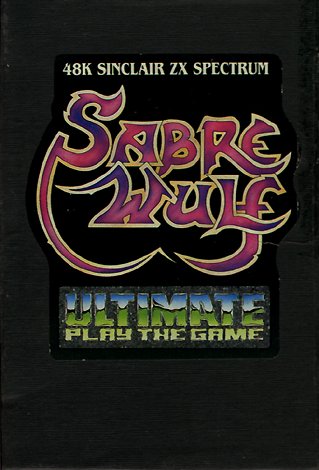
Before Knight Lore reinvented the Spectrum in isometric 3D, Ultimate Play the Game had already built a reputation for scale with 1984's Sabre Wulf: a sprawling overhead-view jungle maze, thick with wildlife and eye-searing psychedelic foliage, in search of four pieces of an amulet.
You explore a genuinely vast multi-screen jungle, fighting off or fleeing native creatures (and, eventually, the titular Wulf itself), collecting keys and amulet fragments scattered throughout. There's no in-game map in the original release — part of the appeal, and part of the frustration, is building a mental picture of the jungle's sprawl yourself.
The jungle's colour palette is aggressively, gloriously loud — Ultimate leaning fully into the Spectrum's eight colours rather than fighting them, and largely avoiding the attribute clash that plagued lesser efforts. For 1984, the sheer size of the explorable world was itself a selling point; few games felt this big.
The lack of direction can make progress feel aimless by modern standards, but the atmosphere, scale and sheer colour still make an impression. An important stepping stone toward the more structured Filmation games Ultimate would release soon after.
Nothing is hosted on this site — the links go to the external sites credited above. See the Downloads page for more archives and emulators.
A caped, superhero dog battles his way across a city skyline, with a soundtrack that borrows shamelessly from Rossini.
Dan lands his airship on Dr. Blitzen's hideout to steal the plans for a Death Ray — eight sticks of dynamite, a lot of falling, and Mozart's Rondo Alla Turca standing in for a soundtrack.
An egg with boxing gloves washes up on a cursed island — the game that turned Dizzy into British budget software's best-loved mascot, and arguably the best entry in his own series.